
A young participant captures their own perspectives on Upper Grosvenor Gardens in one of the five workshops
Purpose
This manifesto shares young people’s perspectives on how green spaces can be transformed to meet the needs of our generation and beyond. We believe the visions we set for Upper Grosvenor Gardens are applicable to other urban green spaces in Westminster and beyond. We want to meaningfully contribute to the urban planning process to ensure that our voices as young people are heard.
How Was it Created?
Twenty-two of us young people were part of a workshop series led by Tranquil City, London Heritage Quarter and Grosvenor. We attended 10 hours of sessions over 5 weeks between April and May 2026, which included challenge framing, vision statement building, site exploration and nature noticing, expert lectures and brainstorming exercises. We bonded and found solutions to the challenges we faced in the garden plus a few big ideas worth bringing to the table.
The workshops were designed by Tranquil City as part of their Aewell Framework, and took inspiration and guidance from the Voice.Opportunity.Power toolkit.


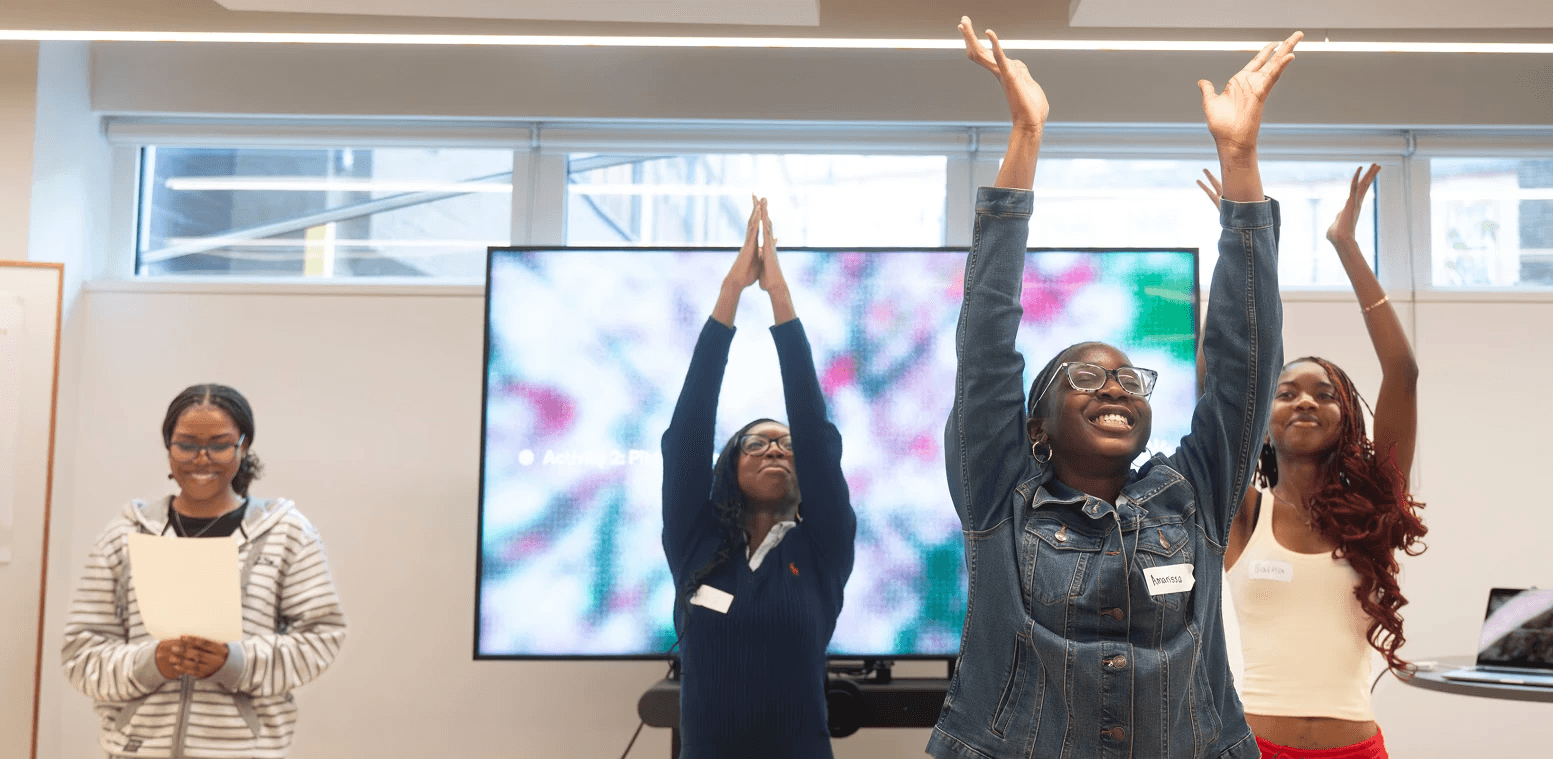

Young participants in the workshop activities that built this manifesto


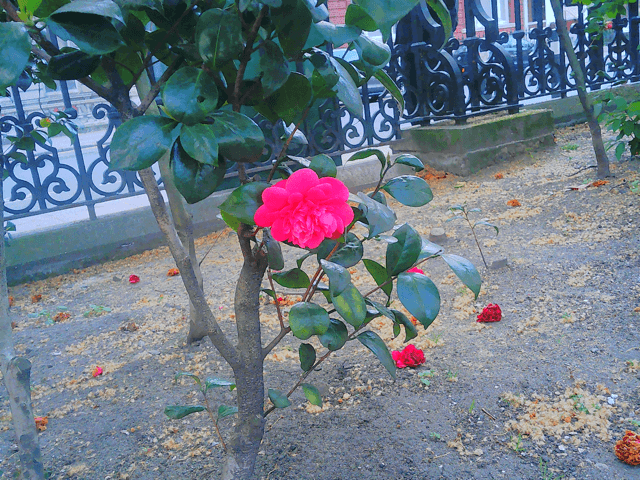


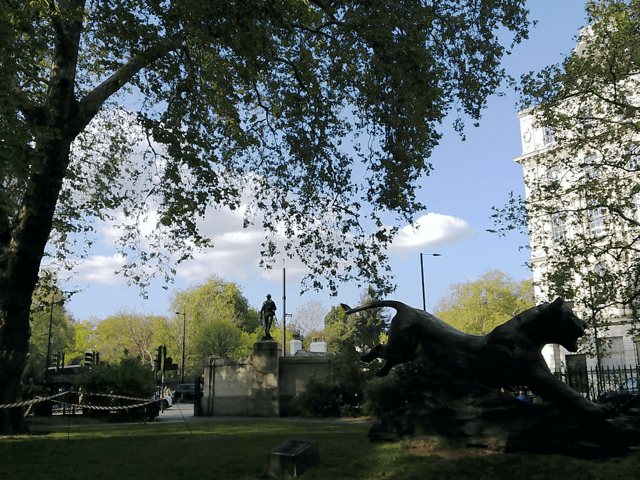

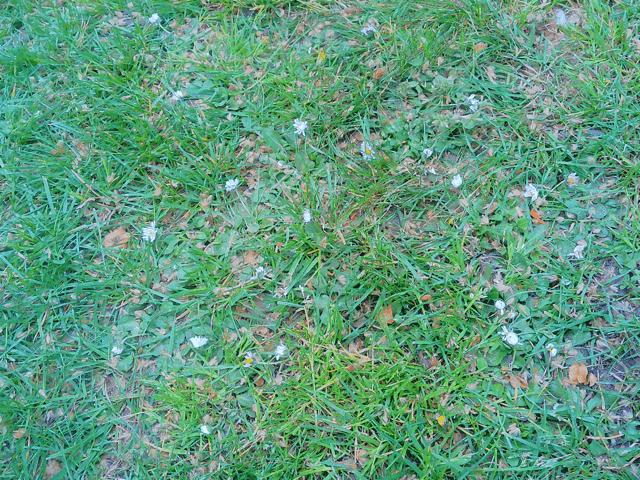

A closer look at Upper Grosvenor Gardens — its planting, wildlife, and surrounding streets all taken by young participants during the Nature Walk activity in April 2026.
The Manifesto
Our Seven Visions
In response to our challenges, we shaped 7 vision statements that incorporate elements of access, safety, comfort, and interests. These laid down the foundation for the evidence-based recommendations we came up with.
Tap a vision to explore why it matters and the ideas that could bring it to life.
S
Ideas that could be implemented in the shorter term
M
Ideas that need more planning
L
Ideas that will make a big impact
Feel welcoming and more accessible
A safe, scenic space with easy entry that actively invites young people and the wider community in.
Why this matters
When entrances are difficult to identify or surrounded by heavy gates, people may assume the space is private or inaccessible, discouraging them from visiting altogether. Making public gardens visibly open and easy to navigate helps transform them from spaces that are simply available into spaces that are genuinely inviting. Clear entrances, welcoming signage, and thoughtful design can encourage more people to explore, fostering a stronger sense of belonging and everyday connection with urban nature.
Solution ideas
S
Add information on Upper Grosvenor Gardens on Google Maps and other tourist maps
S
Extend opening hours beyond 6pm
S
Install hanging flower baskets for additional colour and decoration
S
Install permanent outdoor games (e.g. hopscotch, noughts and crosses)
S
Make picnic equipment available for visitors
S
Organise regular community picnic events where visitors can share food together
S
Create volunteering and community involvement opportunities for all
M
Introduce food and coffee vendors
M
Create a programme of community events throughout the year, to introduce the garden to a diverse audience
M
Provide a variety of seating and tables throughout the garden — benches, picnic tables, lounge chairs — to encourage social gathering and relaxation
M
Install street lamps and safety lighting to connect the Upper and Lower Grosvenor Gardens
M
Install a water fountain to help settle pollen, attract visitors and provide a focal point to the garden
M
Install a fun children’s playground
M
Install a safe, accessible pedestrian crossing connecting Lower and Upper Grosvenor Gardens
L
Commission and install a colourful, and interesting architectural landmark feature
L
Repurpose existing statues or commission new statues that are interactive and more representative of local community and heritage
L
Close the road between Lower and Upper Grosvenor Gardens to create a traffic-free, direction connection and reduce noise
L
Merge Lower and Upper Grosvenor Gardens to reinstate the historic, larger garden
Be better connected to Lower Grosvenor Gardens
Linked to Lower Grosvenor Gardens and the surrounding area, so moving between gardens feels natural and safe.
Why this matters
Green spaces are most accessible when they feel connected to the surrounding area. Difficult walking routes or poor visibility, particularly after dark, can discourage people from exploring nearby gardens and limit opportunities to experience nature as part of everyday life.
Solution ideas
S
Add information on Upper Grosvenor Gardens on Google Maps and other tourist maps
S
Create volunteering and community involvement opportunities for all
M
Align aesthetic of Upper Grosvenor Gardens with Lower Grosvenor Gardens to connect the two gardens
M
Introduce food and coffee vendors
M
Install street lamps and safety lighting to connect the Upper and Lower Grosvenor Gardens
M
Install a safe, accessible pedestrian crossing connecting Lower and Upper Grosvenor Gardens
L
Close the road between Lower and Upper Grosvenor Gardens to create a traffic-free, direction connection and reduce noise
L
Merge Lower and Upper Grosvenor Gardens to reinstate the historic, larger garden
Be lively with colour and natural light
Vibrant planting, natural light, and ample shade will make the gardens a place that inspires creativity and invites people to linger.
Why this matters
The atmosphere of a green space plays an important role in how people experience it. Thoughtful design, planting, and activity can help create places that feel uplifting, restorative, and enjoyable, encouraging people to spend more time outdoors.
Solution ideas
S
Carry out regular garden maintenance and keep the space well kept and attractive
S
Reduce mowing frequency to allow longer grass and support wildlife
S
Install hanging flower baskets for additional colour and decoration
S
Offer yoga sessions in the garden - whether council-funded classess or a designated self-use yoga area
M
Carry out tree cropping to allow more natural light into the garden, and introduce aesthetically pleasing tree species
M
Introduce food and coffee vendors
M
Provide a variety of seating and tables throughout the garden — benches, picnic tables, lounge chairs — to encourage social gathering and relaxation
M
Install a water fountain to help settle pollen, attract visitors and provide a focal point to the garden
M
Install a fun children’s playground
L
Commission and install a colourful, and interesting architectural landmark feature
L
Repurpose existing statues or commission new statues that are interactive and more representative of local community and heritage
Be comfortable for people with allergies
Low-pollen planting that makes the gardens enjoyable for visitors with allergies, not just those without.
Why this matters
A green space is only welcoming if people can comfortably use it. Everyday features, such as seating, should consider a range of health and accessibility needs so that more people can rest, connect with nature, and enjoy the space.
Solution ideas
M
Install a water fountain to help settle pollen, attract visitors and provide a focal point to the garden
M
Install clear, welcoming signage and information boards across the garden and surrounding area — including opening times, plant information, pollen levels and heritage details
M
Install clear, welcoming signage and information boards across the garden and surrounding area — including opening times, plant information, pollen levels and heritage details
Offer peace and quiet
Reduced noise from surrounding traffic, so the gardens can be a genuine refuge and a place to make the most of.
Why this matters
Gardens often provide an opportunity to pause and recharge from the demands of urban life. High levels of surrounding traffic noise can reduce this restorative experience, highlighting the importance of creating spaces that support moments of calm.
Solution ideas
S
Offer yoga sessions in the garden - whether council-funded classess or a designated self-use yoga area
M
Provide a variety of seating and tables throughout the garden — benches, picnic tables, lounge chairs — to encourage social gathering and relaxation
M
Install a water fountain to help settle pollen, attract visitors and provide a focal point to the garden
M
Install a fun children’s playground
L
Close the road between Lower and Upper Grosvenor Gardens to create a traffic-free, direction connection and reduce noise
L
Merge Lower and Upper Grosvenor Gardens to reinstate the historic, larger garden
Have lots going on for everyone
A varied and active programme that gives every visitor, whatever their age or interest, a reason to be here.
Why this matters
Small amenities can have a big impact on how people experience a green space. Access to essentials, such as drinking water, can make it easier for visitors to stay longer, feel comfortable, and enjoy nature without relying on nearby commercial areas.
Solution ideas
S
Install permanent outdoor games (e.g. hopscotch, noughts and crosses)
S
Make picnic equipment available for visitors
S
Organise regular community picnic events where visitors can share food together
S
Create volunteering and community involvement opportunities for all
S
Offer yoga sessions in the garden - whether council-funded classess or a designated self-use yoga area
M
Introduce food and coffee vendors
M
Create a programme of community events throughout the year, to introduce the garden to a diverse audience
M
Provide a variety of seating and tables throughout the garden — benches, picnic tables, lounge chairs — to encourage social gathering and relaxation
M
Free wifi in the garden
M
Install a water fountain to help settle pollen, attract visitors and provide a focal point to the garden
M
Install a fun children’s playground
L
Commission and install a colourful, and interesting architectural landmark feature
L
Repurpose existing statues or commission new statues that are interactive and more representative of local community and heritage
Tell powerful stories of its heritage and nature
Statues and heritage features will give context and meaning, so the gardens feel rich with history worth discovering.
Statues and heritage features will give context and meaning, so the gardens feel rich with history worth discovering.
Why this matters
The stories behind public features can shape how people connect with a place. Providing opportunities to discover the history, purpose, or cultural significance of landmarks can help transform familiar spaces into places of curiosity, learning, and belonging.
Solution ideas
M
Install a water fountain to help settle pollen, attract visitors and provide a focal point to the garden
L
Commission and install a colourful, and interesting architectural landmark feature
L
Repurpose existing statues or commission new statues that are interactive and more representative of local community and heritage
L
Merge Lower and Upper Grosvenor Gardens to reinstate the historic, larger garden


Participants exploring the gardens and discussing their ideas on site.
Who created this manifesto?
This manifesto was co-created through a series of participatory workshops that brought together young people, researchers, and professionals across the environmental and urban design sectors. Participants came from 6 different youth clubs, 9 schools, colleges, and universities, with 53% of them living or studying in the Westminster area.
Our objective was to build participants’ understanding of green space design, planning and wellbeing, and during the process, improve confidence and sense of agency in shaping local spaces.
By combining lived experiences with expert perspectives, this initiative demonstrates how youth-led engagement can be delivered in a way that is enjoyable for participants, empowers them to think creatively about their environment, and produces tangible outputs for delivery.

The young participants, researchers, and collaborators behind the manifesto.
READ about how we did it
Read the full insights report below. Add your email below to receive the complete PDF.
Get the complete PDF
Enter your email and we’ll share a link to the full insights report.
Get Involved
This manifesto is intended to spark conversation and be an invitation to turn ideas into collaboration.
We welcome potential partners including those to support funding, research, or implementation. We understand that any future implementation of the manifesto and solution ideas we generated will require coordination with Westminster City Council, who own and manage Upper Grosvenor Gardens. This shall consider cost, as well as planning permissions and approvals.
Whether you are a community member, designer, researcher, policymaker, educator, or organisation, we encourage more inclusive approaches to designing and caring for urban green spaces, including underrepresented voices in future discussions, projects, and decision-making. By continuing to listen, collaborate, and learn from diverse perspectives, we can work towards urban green spaces that are more welcoming, inclusive, and meaningful for everyone.
Get in touch — hello@tranquilcity.co.uk
Team Credits
Project Lead: Tranquil City
Project Sponsor: London Heritage Quarter
Funder: Grosvenor Property Ltd
Workshop Participants
Young People’s Advisory Group — to be added
Project Team
Grant Waters, Lead Designer & Facilitator (Tranquil City)
Nadia Lowe, Impact Researcher (Tranquil City)
Oliver Barden, Head of Landscapes (LHQ)
Chloe McFarlane, Community Engagement Manager (Grosvenor)
Contributing Experts
Elizabeth Randall (Grosvenor Property Ltd)
Louise Handley (Westminster City Council)
Research & Design
Tranquil City
Special Thanks
Caxton Youth & Cardinal Hume
photography
Mickey Lee (workshop photography)
Lubka-Gangarova (outdoor photography)