The restorative value of urban environments: A systematic review
Ben Warren
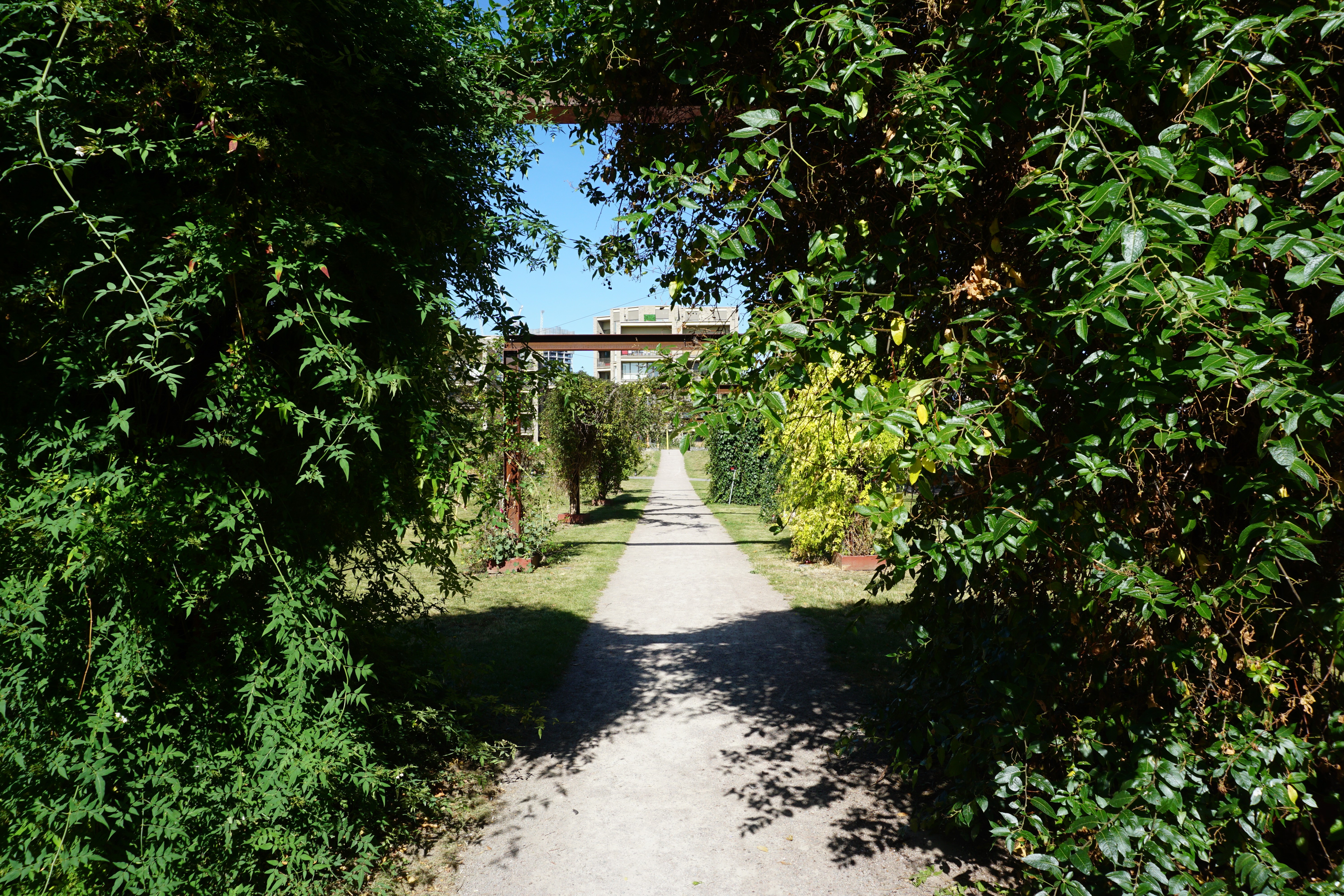
Headline: The quality and type of greenery matters in supporting restoration in urban environments, as well how it may affect perceptions of safety and openness.
Review Article: The restorative value of urban environments: A systematic review of quantitative evidence, methods and data
Sifan Cheng, Pu Jiang, Filip Biljecki, Jeroen van Ameijde · Environmental Impact Assessment Review · 2027 · https://doi.org/10.1016/j.eiar.2026.108659
Themes: Green Infrastructure · Greenery · Restoration · Soundscape · Wellbeing
The restorative value of nature in urban areas is a cornerstone of our work, so we were very interested to have a look at the forthcoming paper on The restorative value of urban environments: A systematic review of quantitative evidence, methods and data. The authors synthesise quantitative research examining how different urban settings influence stress reduction, attention recovery, mood, and overall mental health to provide a comprehensive assessment of the growing body of evidence linking urban environmental quality with psychological restoration and wellbeing.
The review identifies a wide range of factors influencing restoration, including naturalness, biodiversity, perceptions of safety, visual quality, opportunities for escape, and reductions in exposure to urban stressors such as noise and traffic.
There are a few points that we found particularly interesting:
The authors note a recent shift in research from considering generic greenery to specific urban scenarios and design attributes. This demonstrates a maturing field.
The results confirm that urban spaces with greenery are more often linked to higher perceived restorativeness and short-term psychological benefits than predominantly grey comparators.
Man-made urban noises were associated with reduced restorative value, and nature sounds were associated with increased restorative value.
At the same time, more greenery is not always better. Very dense vegetation can reduce psychological benefits, likely by decreasing visual openness and perceived safety. This tallies with an important finding from our work on Provision and management of greenspaces for Natural England.
The review reinforces the need for more holistic evaluation frameworks for urban planners and decision makers. Investments in green infrastructure should be assessed not only in terms of biodiversity gain or carbon sequestration, but also according to their capacity to create restorative, tranquil environments that improve health and wellbeing. Our approach offers a practical way of translating emerging research into planning and policy decisions that helps to maximise the social value of public spacers and green infrastructure.
Author: Ben Warren, Director, Tranquil City.
Date: 2nd October 2026
Download a Summary PDF of this article
Enter your email to download and join our mailing list for updates and insights from Tranquil City.