The influence of perceived walkability on walking satisfaction
Ben Warren
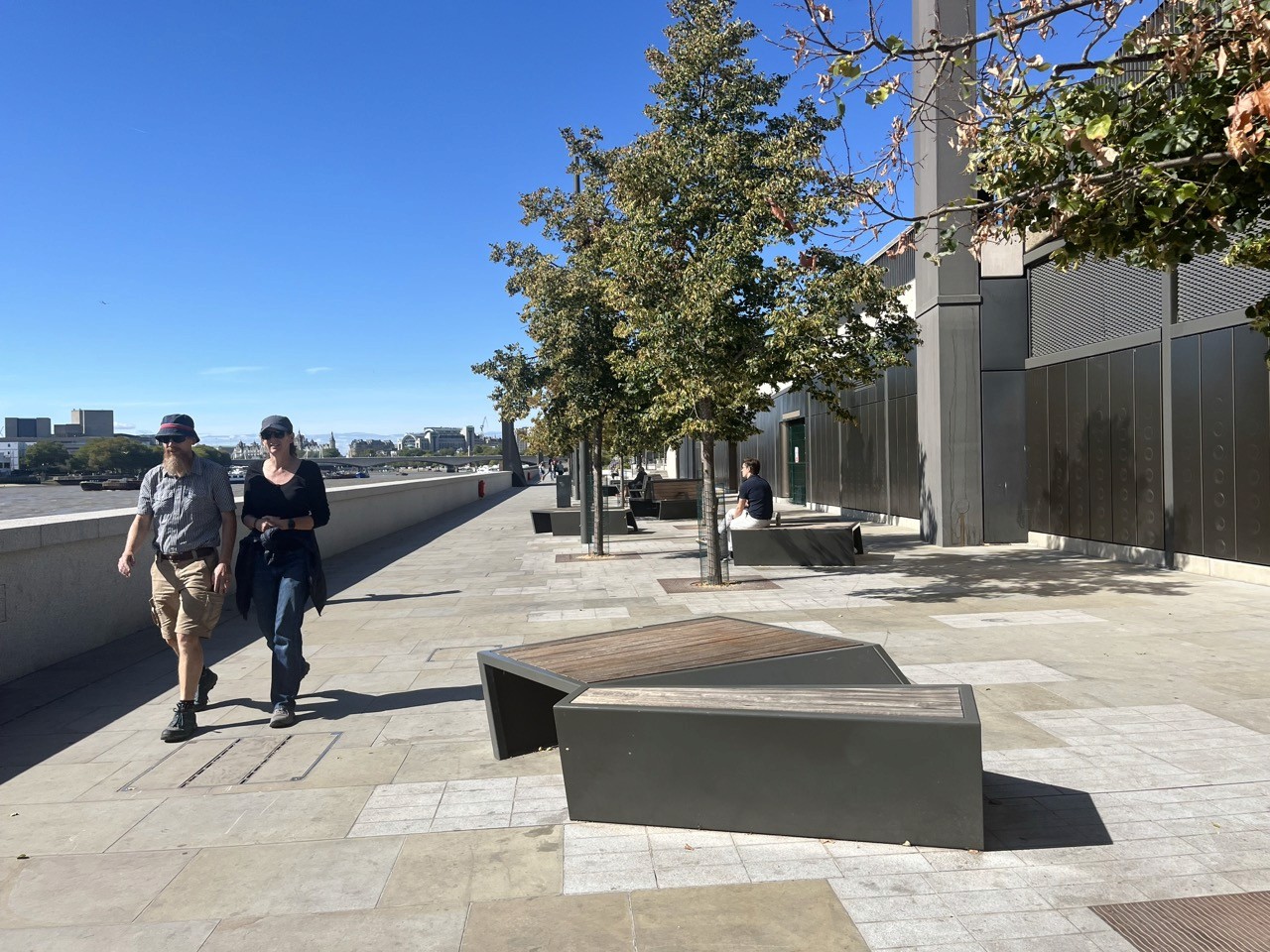
Headline: Walking satisfaction is shaped by perception, not only infrastructure, and wellbeing boosts are most seen in those who recognise the benefits of walking.
Review Article: The influence of perceived walkability on walking satisfaction
Anna-Lena Stroms-van der Vlugt, Jonas De Vos, Noriko Otsuka, Edward Prichard, Janina Welsch, Katrin Lättman,· Travel Behaviour and Society· 2027 · https://doi.org/10.1016/j.tbs.2026.101407
Themes: Walking · Active Travel · Behaviour Change · Wellbeing
At Tranquil City, we believe that better urban environments start with understanding how people actually experience the places around them. A lot of our work has focused on demonstrating the benefits of active travel.
This new paper, The influence of perceived walkability on walking satisfaction, adds important evidence, so I was excited to read it. Its central finding is simple but powerful: when people perceive a place as more walkable, they are more satisfied with their walking trip.
Walking is a daily interaction with the city. The quality of that interaction can influence how people feel about their neighbourhoods, whether they choose active travel, and how much benefit they gain from being outside.
The study highlights several points of particular note for our work:
Walking satisfaction is shaped by perception, not only by physical infrastructure. Pavements, crossings and connectivity are important, but so too are comfort, safety, pleasant surroundings and the absence of barriers that make walking feel difficult or stressful.
There is wellbeing value in walking satisfaction. More satisfying walking experiences can increase emotional wellbeing and life satisfaction. This can further increase walking levels and thereby help in creating more sustainable travel patterns.
The research found that older people had higher walking satisfaction. This may indicate that older people evaluate walking experiences differently from younger people, possibly due to different expectations, routines or subjective standards. This highlights the need to demonstrate the benefits of active travel to all parts of society.
Perhaps most importantly, attitudes matter. People who recognise the benefits of walking tend to report higher satisfaction (and therefore greater wellbeing benefit). This suggests that improving urban environments and improving how people feel about walking should go hand in hand.
For us, this reinforces the need to engage with people to discuss why they walk and why they don’t. And to really make sure that they know how they will benefit from walking! The better they understand the benefits, the more likely they are to feel satisfied. The more satisfied they feel, the more likely they are to keep walking.
When we make decisions about where to invest and what to improve, we need to make sure that the benefits are clearly and robustly publicised, otherwise we’ll be wasting effort.
Author: Ben Warren, Director, Tranquil City.
Date: 2nd October 2026
Download a Summary PDF of this article
Enter your email to download and join our mailing list for updates and insights from Tranquil City.